
Is Senior Flex Good for Beginners


Puzzle Book for Seniors
Electric Mobility Scooter

Adjustable Bed Wedge Pillow
Senior flex golf shafts are designed for players with slower swing speeds, making them a popular choice among older or beginner golfers. While they can be beneficial for some, they may not suit every beginner’s needs, especially those with faster swings or specific technique goals.
Key Takeaways
- Understanding is senior flex good for beginners: Provides essential knowledge
📑 Table of Contents
- Is Senior Flex Good for Beginners?
- Understanding Shaft Flex and How It Affects Your Game
- Benefits of Using Senior Flex for Beginners
- When Senior Flex Might Not Be Right for Beginners
- How to Know If Senior Flex Is Right for You
- Tips for Beginners Considering Senior Flex
- Alternatives to Senior Flex for Beginners
- Real-Life Examples: What Works for Different Beginners
- Common Misconceptions About Senior Flex
- Conclusion: Is Senior Flex Good for Beginners?
Is Senior Flex Good for Beginners?
Golf is often seen as a sport that opens doors to lifelong friendships, mental clarity, and even physical wellness. But for many new players—especially those over 50 or returning after years away—the first swing can feel like a daunting challenge. One of the most common questions I hear is: “Should I get senior flex clubs as a beginner?” It sounds simple, right? Just pick the “senior” option because you’re an older golfer. But the truth is far more nuanced. In this article, we’ll break down everything you need to know about whether senior flex is truly good for beginners, how it impacts your game, and what really matters when choosing the right shaft for your clubs.
Let’s start with a quick reality check: golf equipment isn’t one-size-fits-all, and shaft flex plays a huge role in how your club performs. A senior flex shaft is softer than regular or stiff flexes, meaning it bends more during your swing. This added bend helps generate more ball flight and distance—ideal for players who don’t yet have the muscle strength or timing to compress the ball effectively. But here’s the catch: just because someone is a beginner doesn’t automatically mean they need a senior flex. Swing speed, posture, and biomechanics all come into play. So let’s dive deep and clear up the confusion once and for all.
Understanding Shaft Flex and How It Affects Your Game
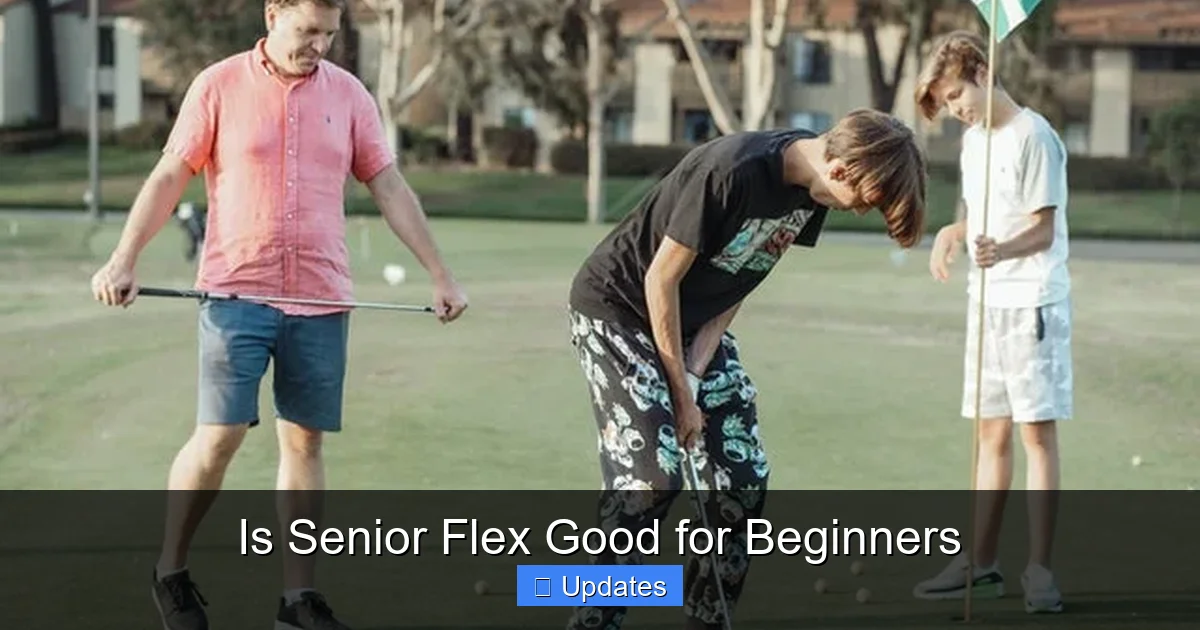
Before we talk about whether senior flex is suitable for beginners, it’s important to understand what shaft flex actually does. Think of a golf shaft like a spring—it stores energy when bent and releases it upon impact. The degree of bend determines how much power is transferred to the ball. Senior flex (also called ladies or junior flex) is the softest standard option available. It’s designed for players with swing speeds under 85 mph, which typically includes many older adults and newer golfers.
Visual guide about Is Senior Flex Good for Beginners
Image source: golfersthought.com
What Is Senior Flex?
A senior flex shaft bends more easily than other flex types, allowing even a light tap from the clubface to send the ball flying. This makes it easier to achieve proper launch angles and spin rates, both crucial for maximizing distance. However, this same softness can lead to inconsistent shots if used by someone with a fast swing—imagine trying to control a trampoline when you’re running too fast!
How Does Flex Relate to Swing Speed?
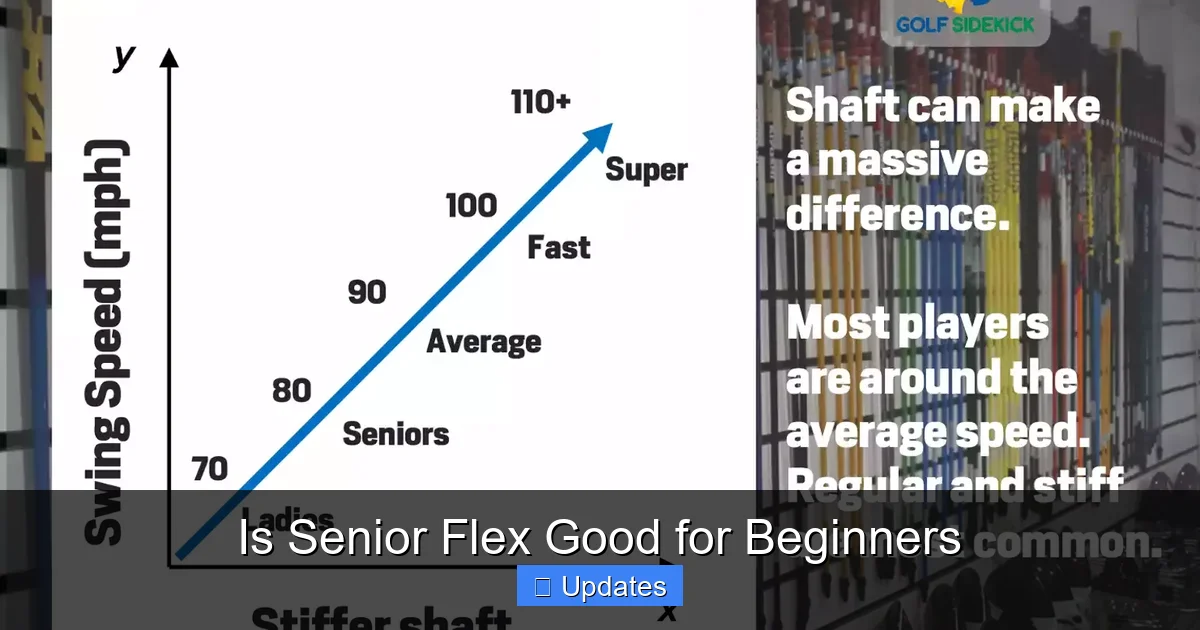
Swing speed is the single biggest factor in determining the correct shaft flex. Most manufacturers provide guidelines based on average swing speed. For example:
- Senior Flex: Best for swing speeds under 85 mph
- Regular/Ladies Flex: Ideal for 75–90 mph
- R Flex (Stiff): Recommended for 85–100+ mph
If you’re a beginner hitting drives at 60–75 mph, senior flex could give you that extra pop you need. But if you’re already swinging near 90 mph—even as a new player—you might struggle with control and accuracy using senior flex.
Benefits of Using Senior Flex for Beginners
So why would anyone choose senior flex as a beginner? There are several compelling reasons, especially for those picking up a club later in life or recovering from injury.

Visual guide about Is Senior Flex Good for Beginners
Image source: golfercraze.com
Easier Ball Flight and More Distance
The softer bend in a senior flex helps beginners generate higher ball flights with less effort. This means you’re more likely to see fairways instead of trees or bunkers. Plus, the increased whip action can add yards without requiring perfect timing—something many new players lack.
Reduced Physical Strain
Golf involves repetitive motion and joint stress, particularly in the wrists, shoulders, and spine. Senior flex reduces the shock felt at impact, making each swing gentler on your body. For older beginners or those with arthritis or past injuries, this comfort factor can be a game-changer.
Improved Confidence Early On
When you consistently hit longer, straighter shots—even if they’re not perfect—your confidence soars. Senior flex helps beginners experience success faster, which keeps them motivated to keep playing and improving.
Better Compatibility With Lightweight Clubs
Many modern sets marketed toward seniors use lightweight graphite shafts with senior flex. These clubs are easier to swing and require less upper-body strength. Pairing them together creates a cohesive system that supports natural movement and reduces fatigue.
When Senior Flex Might Not Be Right for Beginners
Despite its advantages, senior flex isn’t a magic bullet for every beginner. In fact, using the wrong flex can hinder progress and even reinforce bad habits.
Visual guide about Is Senior Flex Good for Beginners
Image source: golfsidekick.com
Poor Ball Striking and Low Control
If your swing speed is too high for senior flex, the shaft will over-bend during the downswing. This leads to inconsistent contact, low accuracy, and unpredictable results. You might find yourself topping shots or slicing wildly because the clubhead is moving too fast through impact.
Lack of Feedback and Muscle Development
A softer shaft gives less tactile feedback about your swing path and face angle. For beginners trying to develop muscle memory and technique, this lack of sensory input can delay learning. You won’t know if you’re swinging too flat or steep until much later.
Potential for Over-Swinging
Because senior flex requires less force to produce distance, some players subconsciously take bigger swings, thinking they need to “hit harder.” This can lead to loss of balance and inefficient movements that don’t translate well to advanced play.
Mismatch With Fast Swing Speeds
As mentioned earlier, if your swing speed exceeds 85 mph, senior flex becomes counterproductive. Many younger beginners fall into this category, especially if they played sports in school or have athletic builds. Trying to use senior flex under these conditions often results in frustration and wasted money.
How to Know If Senior Flex Is Right for You
So how can you tell if senior flex is the right choice? The answer lies in testing and measurement—not assumptions based on age.
Take a Club Fitting
The gold standard is getting professionally fitted at a reputable golf shop. Fitters use launch monitors and swing analyzers to measure your swing speed, attack angle, and other metrics. They’ll recommend flex based on real data, not guesswork.
Test Before You Buy
Many pro shops offer demo days where you can try different shafts on your current irons or drivers. Hit balls with senior, regular, and stiff flex options while focusing on feel and consistency. Which one feels most natural? Which produces the cleanest strikes?
Consider Your Goals
Are you playing mainly for recreation and health? Senior flex might be perfect. Are you serious about improving quickly? Then matching flex to your skill level—not your age—is critical.
Factor in Physical Limitations
If you have mobility issues, chronic pain, or limited strength, senior flex can make golf enjoyable again. Talk to your doctor or physical therapist about what kind of resistance is safe for you.
Tips for Beginners Considering Senior Flex
If you’re leaning toward senior flex, here are some practical tips to maximize your chances of success:
- Start with a full set: Don’t buy just a driver or a few clubs. A matched set ensures consistent performance across all shots.
- Use lighter grips: Thinner grips reduce wrist tension and help maintain control with soft shafts.
- Focus on tempo: Slow, smooth swings work better with senior flex than jerky, powerful motions.
- Track your progress: Keep a journal noting distances, accuracy, and how each club feels. This helps identify trends and adjustments needed.
- Join a beginner class: Instruction combined with proper equipment accelerates learning far more than either alone.
Alternatives to Senior Flex for Beginners
Not every beginner needs senior flex. Depending on your situation, other options may serve you better.
Regular Flex (Ladies/Intermediate)
This is a middle ground between senior and stiff. It suits players with swing speeds around 75–90 mph. If you’re unsure about your exact speed, regular flex is often a safer bet than going too soft.
Graphite vs. Steel Shafts
Graphite shafts are lighter and more flexible than steel, making them ideal for seniors and beginners. They also absorb more vibration, reducing arm fatigue. Most modern senior flex clubs use graphite construction.
Adjustable Drivers and Hybrids
Some beginner sets come with adjustable hosels that let you tweak loft and lie angle independently of shaft flex. This adds versatility without needing multiple club purchases.
Real-Life Examples: What Works for Different Beginners
To illustrate how flex choices vary, consider these scenarios:
Example 1: Maria, 68, hasn’t played since college. Her swing speed averages 70 mph. She struggles with short irons but loves walking the course. After testing, she chose senior flex clubs—and now hits her wedges farther than her driver! The reduced strain lets her play 18 holes without soreness.
Example 2: James, 24, picks up golf as a hobby. He’s athletic and swings at 92 mph. He tried senior flex on loan but found his drives hook badly and his ball rarely carries 200 yards. After switching to stiff flex, his consistency improved dramatically.
Example 3: Linda, 55, wants to stay active but has mild arthritis. Her doctor advised against stiff shafts due to joint stress. She opted for senior flex with padded grips and now enjoys daily rounds with minimal discomfort.
Common Misconceptions About Senior Flex
There are plenty of myths floating around about senior flex and beginner golfers. Let’s clear them up:
- Myth: “All seniors should use senior flex.”
Truth: Age doesn’t dictate flex. A 60-year-old with a 100-mph swing needs stiff flex, just like a 20-year-old with a slow swing should use senior flex. - Myth: “Softer always equals better.”
Truth: Too soft leads to loss of control. Balance is key. - Myth: “You’ll outgrow senior flex.”
Truth: As you improve, your swing speed increases. Eventually, you’ll need to upgrade—but that’s normal growth, not failure.
Conclusion: Is Senior Flex Good for Beginners?
In summary, senior flex can be excellent for certain beginners—particularly those with slower swing speeds, physical limitations, or goals focused on enjoyment and accessibility. It offers forgiveness, distance, and comfort that many new players desperately need. However, it’s not a universal solution. Choosing the right flex depends on measurable factors like swing speed and biomechanics, not just age or experience level.
The bottom line? Don’t rush into buying senior flex based on assumption. Get fitted, test thoroughly, and prioritize how the club feels over marketing claims. When done correctly, the right shaft can transform your golf journey from frustrating to fun—no matter how old you are or how long it’s been since your last round.
And remember, golf is about more than equipment. It’s about patience, practice, and progress. Whether you start with senior flex or another option, the most important thing is to show up, enjoy the process, and keep swinging.
Frequently Asked Questions
What does senior flex mean in golf clubs?
Senior flex refers to the softest shaft flex available in standard golf clubs, designed for players with slower swing speeds. It bends more easily during the swing, helping generate higher ball flights and greater distance with less effort.
Can a beginner with fast swing speed use senior flex?
Generally no—if your swing speed exceeds 85 mph, senior flex may cause loss of control and inconsistent shots. Testing with a professional fitting is recommended to determine the best match.
Is senior flex only for older golfers?
No. While many senior-flex users are older adults, younger beginners with slow swing speeds can also benefit. Flex should be chosen based on swing speed, not age.
How do I measure my swing speed for shaft flex?
Visit a golf store with launch monitor technology or take lessons at a driving range. Professionals can measure your swing speed accurately and recommend appropriate flex.
Can I change shaft flex later?
Yes, shafts can be replaced individually or as part of a re-shafting service. However, changing flex mid-game is usually only necessary after significant improvement in swing speed.
Are graphite shafts better than steel for seniors?
Graphite shafts are lighter and more flexible, making them ideal for seniors and beginners seeking reduced strain and easier swings. They’re especially useful with senior flex designs.