
Town of Bethlehem Ny Senior Services


Jar Opener for Weak Hands

Large Button TV Remote

Electric Kettle with Auto Shutoff
The Town of Bethlehem, New York offers a wide range of senior services through its dedicated Senior Services department, supporting residents aged 60+ with meals, transportation, health resources, and recreational programs. These programs are designed to promote independence, community engagement, and improved quality of life for older adults across Albany County.
Welcome to the heart of support for older adults in the Town of Bethlehem, New York—a community where aging with dignity is more than a goal; it’s a reality. Nestled in the scenic Capital Region of upstate New York, Bethlehem has long been recognized for its commitment to enhancing the lives of its senior residents. Through thoughtfully designed programs and compassionate staff, the Town’s Senior Services division ensures that no one ages alone. Whether you’re seeking nutritious meals, reliable transportation, or simply a friendly face at a monthly event, the Town of Bethlehem offers resources that empower independence and build lasting connections.
As our population grows older, so too must the systems that serve them. In Bethlehem, this means more than just offering services—it means listening, adapting, and innovating. From home-delivered Meals on Wheels to wellness workshops and volunteer opportunities, every initiative is rooted in respect for the wisdom, experience, and individuality of each senior. This article dives deep into what makes the Town of Bethlehem’s approach stand out, how residents can access these vital services, and why community involvement remains central to success.
Key Takeaways
- Comprehensive Support: The Town of Bethlehem provides essential services including home-delivered meals, congregate dining, transportation assistance, and wellness programs tailored for seniors.
- Accessible Programs: Most services are free or low-cost, with eligibility based on age (60+) and income level, ensuring accessibility for diverse populations.
- Community Connection: Senior centers and outreach events foster social interaction, reducing isolation and promoting mental well-being among older residents.
- Health & Safety Focus: COVID-19 safety protocols, vaccination support, and chronic disease management resources help protect vulnerable seniors.
- Transportation Solutions: Door-to-door van services and volunteer driver networks make it easier for seniors to attend medical appointments and community events.
- Volunteer Opportunities: Seniors can give back by volunteering as drivers or mentors, strengthening community bonds and personal fulfillment.
- Ongoing Updates: The program evolves with changing needs—check the official website regularly for new offerings, schedule changes, and emergency alerts.
📑 Table of Contents
- Overview of Town of Bethlehem Senior Services
- Nutrition Programs: Nourishing Bodies and Souls
- Transportation: Getting Around with Confidence
- Health and Wellness Initiatives
- Social Engagement and Recreational Activities
- Civic Participation and Advocacy
- Emergency Preparedness and Crisis Response
- Volunteerism: Giving Back While Receiving Care
- Funding and Sustainability
- Future Outlook and Expansion Plans
- Conclusion: A Model for Aging With Dignity
Overview of Town of Bethlehem Senior Services
The Town of Bethlehem’s Department of Senior Services operates under the broader umbrella of Albany County’s aging network, but with a local focus that truly understands neighborhood needs. Established decades ago in response to growing concerns about senior isolation and access to care, today’s program spans nutrition, mobility, health education, recreation, and advocacy. All services are delivered with compassion, professionalism, and an unwavering belief that aging should be celebrated—not feared.
What sets Bethlehem apart is its integrated model. Rather than treating each service in isolation, the department coordinates efforts across multiple sectors—healthcare providers, volunteers, local nonprofits, and municipal agencies—to create a seamless support system. For example, if a senior needs both medical transport and grocery delivery, those requests can often be bundled into one coordinated effort. This holistic strategy reduces confusion, saves time, and increases overall satisfaction among users.
Another hallmark of the program is transparency. Residents can easily find application forms, contact information, and real-time updates online. The staff is trained not only in logistics but also in cultural sensitivity and disability awareness, ensuring that all individuals—regardless of background or ability—feel welcomed and respected.
Eligibility and Accessibility
To qualify for most Town of Bethlehem Senior Services, individuals must be at least 60 years old and reside within the town boundaries. Income level may affect eligibility for certain subsidized programs like Meals on Wheels, though many core services remain open to all seniors regardless of financial status. Proof of residency (such as a utility bill or driver’s license) and age verification are typically required during registration.
Accessibility is a top priority. Services are offered in multiple formats: in-person at senior centers, via phone consultations, through mobile apps, and even door-to-door delivery. Language interpreters are available upon request, and materials are provided in large print or braille when needed. The town also partners with disability advocacy groups to ensure physical spaces—like the Bethlehem Senior Center—are fully ADA-compliant.
For those who are temporarily away from home—perhaps visiting family out-of-state—the department maintains a waitlist system so they can quickly re-enroll once returning. This flexibility reflects the understanding that life circumstances change, and support should adapt accordingly.
Core Service Categories
The Town of Bethlehem organizes its offerings into several key categories, each designed to address specific needs while promoting overall well-being. These include:
Nutrition Support: Ensuring every senior receives healthy, balanced meals whether at home or in a group setting.
Transportation Assistance: Providing safe, reliable ways to get around without relying solely on cars or public transit.
Health and Wellness Programs: Offering educational seminars, fitness classes, and screening events led by certified professionals.
Social and Recreational Activities: Creating opportunities for meaningful connection through clubs, arts, games, and field trips.
Civic Engagement and Advocacy: Empowering seniors to voice their needs and participate in community decision-making.
Each category includes tiered options—from basic support to enhanced services—so residents can choose what best fits their lifestyle and budget. For instance, someone who enjoys cooking might opt for grocery vouchers instead of home delivery, while others prefer the social aspect of communal lunches.
Nutrition Programs: Nourishing Bodies and Souls
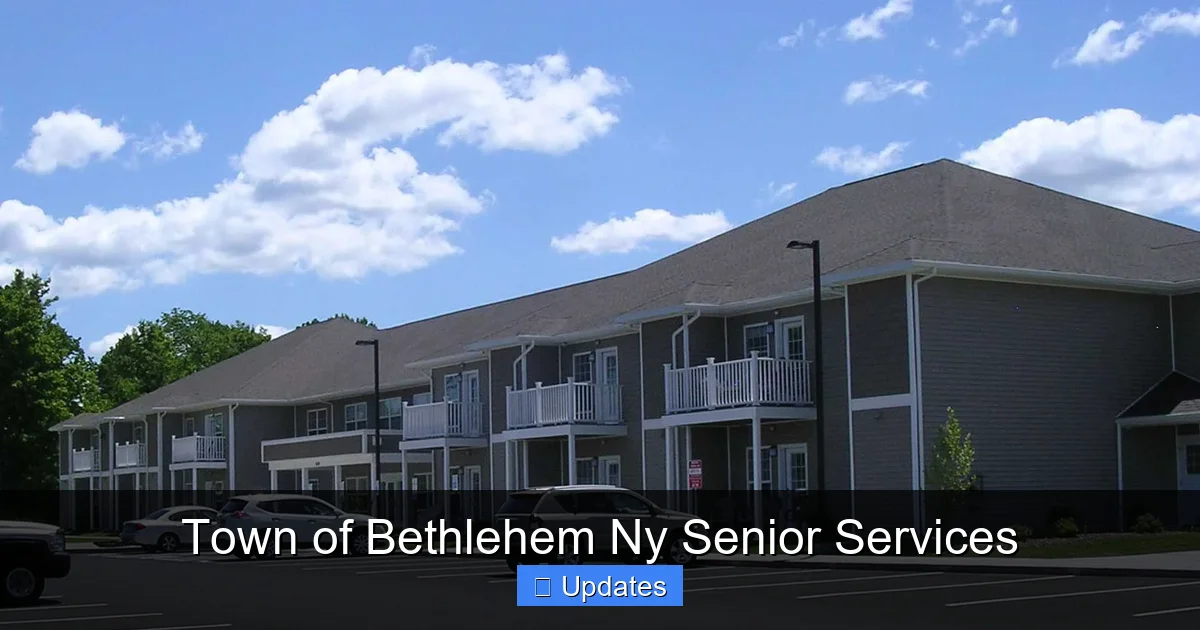
Visual guide about Town of Bethlehem Ny Senior Services
Image source: twoplusfour.com
Good nutrition isn’t just about calories—it’s about vitality, energy, and preventing chronic illness. Recognizing this, the Town of Bethlehem runs two primary feeding initiatives: the Meals on Wheels program for homebound seniors and the Bethlehem Senior Center Café, which serves daily lunches to anyone 60 or older.
The Meals on Wheels service delivers hot, nutritious meals Monday through Friday directly to eligible households. Each meal meets USDA dietary guidelines and is customized for common conditions like diabetes or heart disease. Volunteers not only deliver food but also check in on recipients, offering companionship and alerting staff if there’s cause for concern. During winter months or severe weather, frozen backup meals are provided to prevent missed deliveries.
At the Senior Center Café, located at 1845 Route 9W in Delmar, meals are served in a warm, welcoming atmosphere. Attendees can enjoy soup, entrees, salad bar items, and dessert while chatting with neighbors over lunch. The café also hosts special themed days—like “Taco Tuesday” or “International Food Fair”—that celebrate diversity and keep menus exciting. Transportation is available for those who need it, thanks to partnerships with local volunteer drivers.
Both programs accept donations, and many participants contribute by volunteering their time or skills. It’s not uncommon to see a retired teacher helping sort produce or a former chef designing seasonal menus. This mutual exchange strengthens community ties and reminds everyone that aging is a shared journey.
Special Dietary Accommodations
Understanding that health conditions vary widely, the nutrition team works closely with dieticians to accommodate special diets. Gluten-free, low-sodium, vegetarian, kosher, halal, and diabetic-friendly options are all available upon request. Meal plans are reviewed quarterly, and feedback from clients helps refine choices year-round.
For seniors managing dementia or swallowing difficulties, texture-modified meals (soft foods, purees) are prepared using fresh ingredients whenever possible. Staff are trained in safe feeding practices and communicate clearly with caregivers to maintain consistency between home and center visits.
How to Apply
Applying for meal services is straightforward. Call the Senior Services office at (518) 439-9731 ext. 220 during business hours (Monday–Friday, 8:30 AM–4:30 PM). A brief intake interview determines eligibility and preferred delivery day/time. Forms can also be downloaded from the town website and mailed or dropped off in person.
Transportation: Getting Around with Confidence
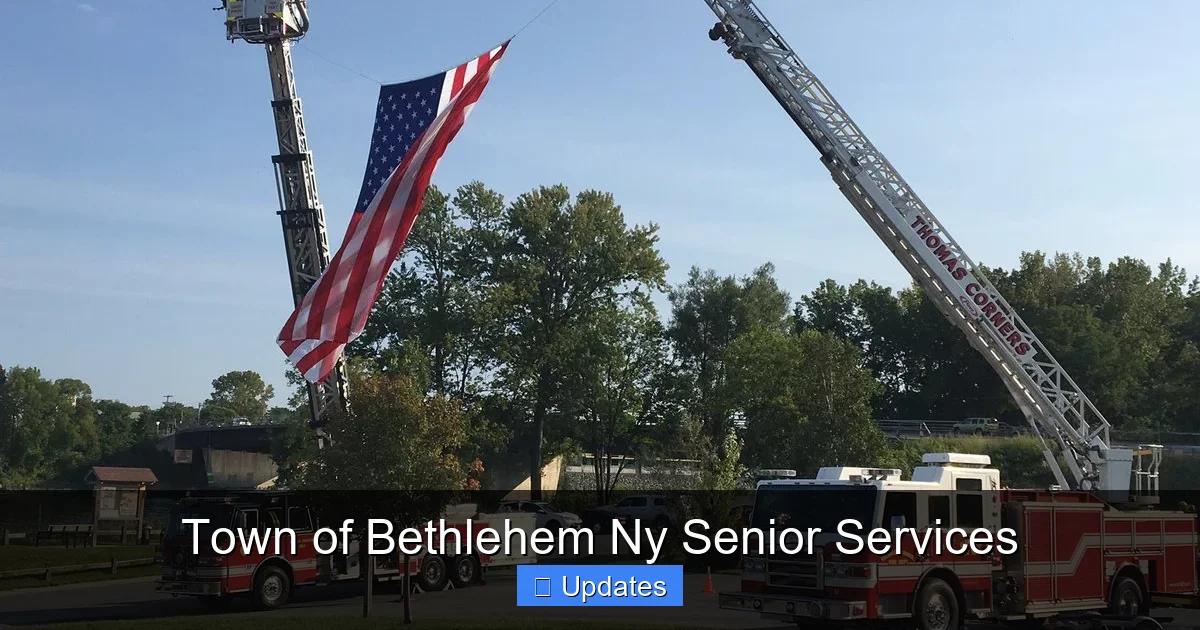
Visual guide about Town of Bethlehem Ny Senior Services
Image source: pbs.twimg.com
Mobility challenges shouldn’t limit participation in life. That’s why the Town of Bethlehem offers robust transportation solutions tailored to seniors’ schedules, destinations, and comfort levels. Whether heading to a doctor’s appointment, grocery store, or senior activity, residents have multiple options:
Door-to-Door Van Service: Operated by trained drivers, this ADA-accessible fleet picks up and drops off passengers at designated times. Reservations are required at least 48 hours in advance. Routes cover major hubs like Albany Medical Center, Price Chopper supermarkets, and the Bethlehem Senior Center.
Volunteer Driver Network: Retired professionals and community members sign up to drive seniors short distances—often just blocks away—using their own vehicles. This flexible option supports last-minute errands or impromptu meetups. Drivers receive background checks, liability insurance coverage, and ongoing training.
RideShare Partnerships: Collaborations with Lyft and Uber provide discounted rides for medical visits or emergencies. Seniors receive vouchers redeemable through the Senior Services portal after submitting trip receipts.
Safety is paramount. All vehicles undergo regular maintenance checks, and drivers complete defensive driving courses annually. Real-time tracking allows dispatchers to monitor routes and respond quickly if delays occur.
Tips for First-Time Users
If you’ve never used municipal transportation before, start simple. Try booking a round-trip to the Senior Center Café first—it’s a low-pressure way to test the system. Bring your ID and confirm pickup time 24 hours ahead of schedule. If you use a wheelchair or walker, notify dispatch when reserving your ride; ramps and securement straps will be ready.
Many seniors report feeling more independent after accessing these services. No longer worrying about parking, weather, or traffic stress frees up mental space for enjoying activities rather than logistical headaches.
Expanding Reach
To reach rural areas outside the main corridor, the town occasionally arranges shuttle buses for group outings—like museum tours or apple picking excursions. Keep an eye on the Senior Services calendar for announcements. These events often include free meals and entertainment, making them especially appealing.
Health and Wellness Initiatives
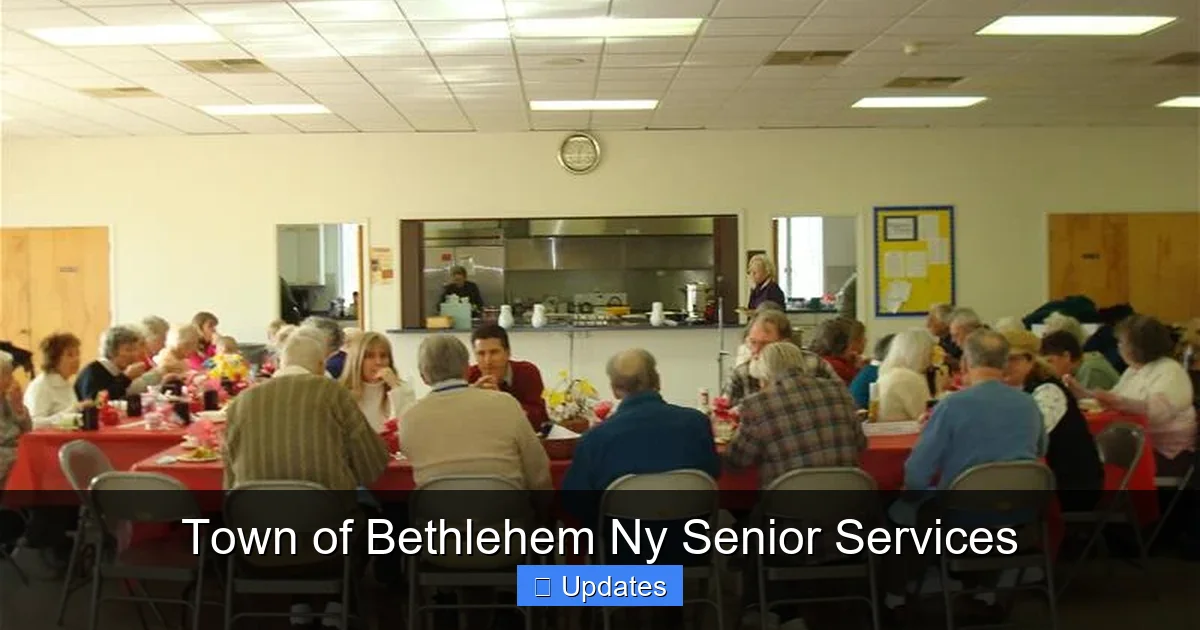
Visual guide about Town of Bethlehem Ny Senior Services
Image source: townofbethlehem.org
Prevention is always better than cure—especially when dealing with age-related health issues. The Town of Bethlehem invests heavily in proactive wellness programming that educates, screens, and empowers seniors to take charge of their health.
Monthly health fairs bring together local physicians, pharmacists, and specialists for free screenings (blood pressure, glucose, cholesterol) and consultations. Topics range from medication management to fall prevention strategies. Flu shots and COVID-19 boosters are administered on-site during peak seasons, eliminating the need to travel elsewhere.
Fitness classes—including chair yoga, tai chi, and light aerobics—are held at the Senior Center and sometimes outdoors at nearby parks. Instructors modify movements for different abilities, ensuring inclusivity. Many participants note improved balance, reduced joint pain, and better sleep quality after just a few weeks.
Mental health support is equally emphasized. Peer-led support groups tackle topics like grief counseling, caregiver stress, and coping with loneliness. Guest speakers from organizations like NAMI (National Alliance on Mental Illness) offer evidence-based tools for maintaining emotional resilience.
Chronic Disease Management
For those living with conditions such as arthritis, hypertension, or COPD, the department coordinates with visiting nurses and case managers to develop personalized care plans. Medication reminders, home safety assessments, and nutrition coaching are standard components. Referrals to external specialists (e.g., ophthalmologists, podiatrists) are facilitated through existing healthcare networks.
During public health crises—such as the recent monkeypox outbreak—the town swiftly distributed educational pamphlets, set up testing sites, and hosted Q&A sessions with epidemiologists. Transparency and timely communication helped reduce anxiety among older residents.
Technology Training
Digital literacy is increasingly important, yet many seniors struggle with smartphones, telehealth platforms, or online banking. To bridge this gap, the Senior Center hosts biweekly tech clinics covering Zoom basics, Google Calendar setup, and fraud prevention tips. One-on-one mentoring pairs tech-savvy volunteers with learners for extra confidence building.
Social Engagement and Recreational Activities
Loneliness doesn’t discriminate by zip code—but neither does community spirit. The Town of Bethlehem Senior Center thrives as a hub where friendships bloom, skills sharpen, and laughter echoes. Programming spans intellectual stimulation, creative expression, and physical movement.
Book clubs rotate through genres each month, from mystery novels to historical fiction. Gardening enthusiasts gather weekly to share seeds, pruning techniques, and harvest recipes. Bridge tournaments draw seasoned players and curious newcomers alike, fostering friendly competition and strategic thinking.
Art classes introduce watercolors, pottery, and scrapbooking using donated materials. Local artists often lead demonstrations, inspiring participants to create keepsakes for family or gifts for grandchildren. Exhibitions showcasing member work are displayed seasonally in the town hall rotunda.
Music brings joy too. Sing-along sessions feature classic hits from the ‘50s and ‘60s, accompanied by a piano player or ukulele group. Dance lessons—ballroom, line dancing, even Zumba—keep hearts pumping gently but steadily.
Outdoor adventures aren’t forgotten. Guided hikes through Thacher Park or picnics at Fort Hunter Park strengthen muscles and minds simultaneously. Seasonal festivals (harvest, holiday markets) double as fundraisers and celebration venues.
Family Involvement
While programs welcome all adults 60+, intergenerational events encourage younger family members to join. Grandchildren might read stories during “Story Time Saturdays,” or teens volunteer as photography assistants for senior portraits. These moments reinforce values of respect and continuity across generations.
Holiday Traditions
Thanksgiving potlucks, Christmas tree lightings, and Easter egg hunts become even sweeter when shared with peers. Special accommodations ensure accessibility for those with sensory sensitivities or mobility limitations. Volunteers decorate rooms, serve meals, and capture memories so no senior feels left out.
Civic Participation and Advocacy
Seniors aren’t passive recipients—they’re powerful voices shaping policy. The Town of Bethlehem actively solicits input through quarterly town halls, suggestion boxes, and advisory committees. Topics covered include park improvements, sidewalk repairs, and expanding broadband access for remote learning or telemedicine.
Members of the Senior Advisory Board meet monthly with town officials to discuss pressing issues like affordable housing, prescription drug costs, and elder abuse prevention. Their recommendations carry weight because they reflect lived experience.
Volunteer opportunities abound beyond driving or meal prep. Some seniors serve as ombudsman advocates, representing nursing home residents’ rights. Others mentor new volunteers or help design program calendars. Even sharing personal stories at public forums builds empathy among policymakers.
Legislative Awareness
Keeping tabs on state and federal legislation affecting older adults is another role seniors play. Monthly newsletters highlight bills related to Social Security, Medicare, and pension protections. Templates for contacting representatives are provided, empowering collective action.
Emergency Preparedness and Crisis Response
When disasters strike—whether hurricanes, blizzards, or pandemics—the Town of Bethlehem’s emergency plan prioritizes vulnerable populations. Pre-packed survival kits containing water, non-perishables, flashlights, and medications are stored centrally and distributed within hours of evacuation orders.
Regular drills simulate power outages or shelter-in-place scenarios, teaching seniors how to stay safe indoors. Partner agencies (Red Cross, FEMA) conduct joint trainings to streamline coordination during actual emergencies.
For isolated individuals, buddy systems pair them with nearby neighbors who agree to check in twice daily. Text alerts via the town’s notification app ensure everyone knows evacuation routes and meeting points.
Psychological Support During Crises
Disaster recovery isn’t just physical—it’s emotional too. Counselors from local clinics offer trauma-informed therapy sessions post-event. Support groups normalize feelings of fear or anger, helping seniors rebuild inner strength.
Volunteerism: Giving Back While Receiving Care
One of the most rewarding aspects of the Town of Bethlehem’s model is reciprocity. Seniors who benefit from services often return the favor through volunteer work. Over 300 local retirees dedicate hundreds of hours monthly to causes they care about.
Driver volunteers log thousands of miles annually, earning recognition at annual galas. Nutrition aides assist chefs in the kitchen, learning new recipes while lightening staff loads. Tech mentors teach digital skills to fellow seniors, closing the generational divide.
Youth volunteers also participate—college students fulfill service-learning requirements by organizing donation drives or leading crafts workshops. These cross-age collaborations enrich everyone involved.
Recognition Programs
Annual awards honor outstanding contributors with plaques, gift certificates, and media features. Past recipients include a former postal worker who delivered mail to shut-ins for 20 years and a retired nurse who started a blood pressure monitoring station at the Senior Center.
Funding and Sustainability
Like all public programs, sustainability depends on stable funding. The Town of Bethlehem secures resources through a mix of municipal appropriations, state grants (e.g., Older Americans Act), private donations, and corporate sponsorships. Major donors include regional hospitals, banks, and faith-based organizations.
Transparent reporting shows exactly where funds go—from van maintenance to meal ingredient costs. Annual audits ensure compliance with grant requirements and ethical standards.
Efforts are underway to diversify revenue streams. Planned giving campaigns invite seniors to name the department in their wills. Corporate matching programs amplify employee donations. Even small contributions add up over time.
Grant-Winning Innovations
Recent innovations have attracted attention from statewide initiatives. A pilot project using wearable health monitors allowed early detection of falls among high-risk individuals. Another partnership with a telehealth startup reduced hospital readmissions by 18% in its first year.
These successes demonstrate that thoughtful investment yields measurable returns—not just in dollars, but in lives preserved and enriched.
Future Outlook and Expansion Plans
Looking ahead, the Town of Bethlehem aims to expand services into underserved neighborhoods like Slingerlands and New Scotland. Mobile units—converted buses equipped with Wi-Fi, seating, and snack stations—will bring activities directly to seniors unable to travel.
Virtual programming remains a priority. Hybrid models combining in-person and online attendance increase accessibility for those with hearing impairments, vision loss, or transportation barriers. Streaming platforms host live-streamed concerts, lectures, and meditation sessions.
Workforce development is another focus. Training programs prepare young adults for careers in gerontology, social work, and healthcare administration. Scholarship funds support students pursuing degrees in aging-related fields.
Community gardens and composting initiatives promote sustainability while providing fresh produce. Solar-powered lighting at outdoor event spaces cuts carbon footprints and lowers utility costs.
Most importantly, the department commits to continuous improvement through resident feedback loops. Digital surveys, paper comment cards, and focus groups inform quarterly planning cycles. Change isn’t imposed—it emerges collaboratively.
Conclusion: A Model for Aging With Dignity
The Town of Bethlehem, NY exemplifies how municipalities can support older adults with compassion, innovation, and inclusivity. By integrating nutrition, mobility, health, recreation, and civic engagement into one cohesive system, the department creates environments where seniors don’t just survive—they thrive.
What makes this approach unique isn’t just the breadth of services, but the depth of human connection woven throughout. Volunteers aren’t just helpers; they’re friends. Staff aren’t just administrators; they’re advocates. And every participant—no matter their story—is seen, heard, and valued.
As America’s population ages, communities everywhere can learn from Bethlehem’s blueprint. Start small: assess local needs, mobilize neighbors, and prioritize dignity over dependency. With dedication and empathy, even modest towns can become havens for healthy, happy, and purposeful aging.
For current or prospective residents, know this: help is closer than you think. Dial (518) 439-9731 ext. 220, visit 1845 Route 9W in Delmar, or browse the website at www.townofbethlehem.org/seniorservices. Your journey toward vibrant aging begins here.
Frequently Asked Questions
Who qualifies for Town of Bethlehem Senior Services?
Residents must be at least 60 years old and live within the Town of Bethlehem boundaries. Income level affects eligibility for subsidized programs like Meals on Wheels, but many core services are open to all seniors regardless of financial status.
Are the services free?
Most programs are either free or offered at a minimal cost. Transportation and meal services often require income verification for full subsidies, but sliding-scale fees ensure affordability across all income levels.
How do I sign up for home-delivered meals?
Call the Senior Services office at (518) 439-9731 ext. 220 during business hours. Staff will schedule a brief intake interview to determine eligibility and delivery preferences. Forms are also available online or in person.
Is transportation available for medical appointments?
Yes. The town offers ADA-accessible van services and a volunteer driver network for medical trips. Reservations should be made at least 48 hours in advance for scheduled visits.
Can I volunteer if I’m a senior?
Absolutely. Many seniors volunteer as drivers, meal assistants, tech mentors, or activity leaders. Contact the department to explore roles matching your interests and availability.
How often are new programs introduced?
The department updates offerings quarterly based on resident feedback and emerging needs. Subscribe to the newsletter or follow social media for real-time announcements.