
Green Park Senior Living Community Photos


Audiobook Player

Anti-Glare Reading Glasses

Smart Doorbell Camera
Photos are your first real glimpse into daily life at a senior living community. They go beyond marketing claims to show the true atmosphere, cleanliness, and resident engagement at Green Park. By learning to interpret these images critically, you can assess whether the community’s vibe, amenities, and living spaces genuinely align with your or your loved one’s needs and preferences before scheduling a visit.
Key Takeaways
- Authenticity Over Polish: Look for candid, naturally lit photos over overly staged, professional shots to gauge the real environment.
- Amenities Tell a Story: Photos of common areas, dining, and activity spaces reveal the community’s priorities and resident lifestyle.
- Resident Engagement is Key: Images showing genuine interaction among residents indicate a vibrant, socially connected community.
- Floor Plans & Room Details: Pay close attention to photos of actual apartments, including lighting, storage, and accessibility features.
- Virtual vs. In-Person: Photos are an excellent screening tool but cannot replace the sensory experience of an in-person tour.
- Compare Critically: Use photos to compare Green Park objectively with other communities like Pacifica Senior Living Green Valley or Tallgrass Creek Senior Living Community.
- Spot the Red Flags: Be wary of communities that only show empty, pristine spaces with no residents or personal touches.
📑 Table of Contents
- Why Photos Matter More Than Words in Your Senior Living Search
- What to Look For: A Critical Eye on Green Park Community Photos
- The Green Park Photo Gallery: A Room-by-Room Visual Tour
- Capturing Resident Life: The Soul of the Community
- Using Photos to Compare and Contrast with Other Communities
- How to Access the Best & Most Honest Photo Sources
Why Photos Matter More Than Words in Your Senior Living Search
Let’s be honest. When you start researching senior living options, you’re bombarded with sleek websites, glowing testimonials, and lists of amenities that all sound wonderful. It can feel like every community is a five-star resort. But how do you see past the marketing language? This is where Green Park Senior Living Community photos become your most powerful research tool. A picture truly is worth a thousand words, especially when those words are “active,” “welcoming,” and “home-like.”
Photos provide an unfiltered, immediate sense of place. You can’t fake the warm, natural light streaming into a living room or the genuine laugh shared between two residents in an activity room. These images help you answer the questions brochures gloss over: Does this place feel institutional or residential? Do people look happy and engaged, or are they sitting alone in quiet corners? Is the decor modern and fresh, or dated and worn? By learning to read these visual cues, you move from wondering “Is this a good community?” to knowing “This is the right community for us.”
The Emotional Bridge: Connecting Sight to Feeling
Choosing a senior living community is an emotional decision, not just a logistical one. You’re not just buying a service; you’re selecting a future home for yourself or a cherished family member. Green Park Senior Living Community photos build an emotional bridge. A photo of a beautifully landscaped courtyard with residents gardening can spark visions of purposeful morning routines. A snapshot of a bustling dining hall with varied, appetizing meals can ease anxieties about nutrition and social isolation. These images help your brain and heart start to imagine a life there, making the abstract concept of “moving” feel more concrete and less scary.
What to Look For: A Critical Eye on Green Park Community Photos
Scrolling through a photo gallery shouldn’t be a passive activity. You need to be a thoughtful detective. Not all photos are created equal, and what’s included—and what’s left out—speaks volumes. Here’s your guide to analyzing what you see.
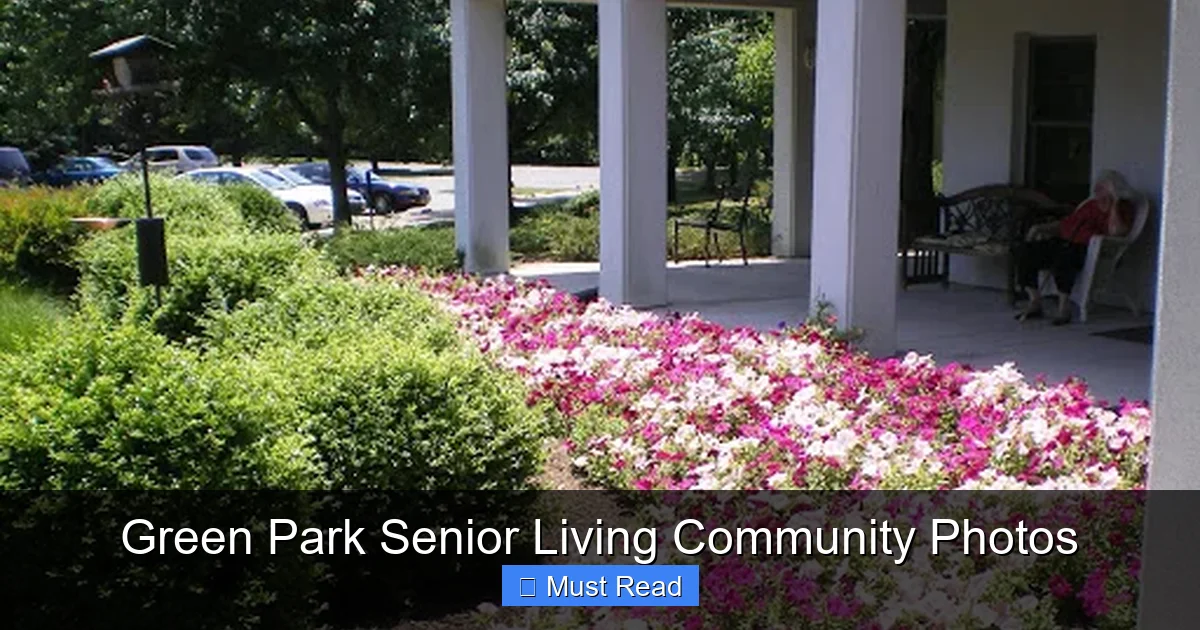
Visual guide about Green Park Senior Living Community Photos
Image source: lh5.googleusercontent.com
First, Scan the Overall Collection
Before diving into details, take a quick pass through the entire gallery. What’s the dominant feeling? Is it mostly empty, staged rooms (a potential red flag for lack of resident engagement) or are there many photos of people socializing, participating in activities, and enjoying meals? A balanced gallery will show spaces *and* the people who inhabit them. Notice the photo quality and style. Are they all perfectly lit, professional shots? That’s fine for architecture, but you also want some authentic, smartphone-style snaps that feel real and unposed.
Decoding Common Area Photos
Common areas are the heart of community life. When looking at photos of the lobby, lounges, libraries, and activity rooms, ask yourself:
- Cleanliness & Maintenance: Does the furniture look upholstered and fresh, or worn and stained? Are carpets clean? Is there clutter or does everything have a place?
- Light & Air: Are there windows? Does the space feel bright and open, or dark and cramped? Natural light is a huge mood booster.
- Function & Flexibility: Do you see different seating arrangements—quiet corners for reading, larger spaces for group games? This shows the community caters to varied resident preferences.
- Personalization: Are there signs of resident life? Books on shelves, a resident’s artwork on the walls, a completed puzzle on a table? These are excellent signs of a space that’s lived in and loved.
Compare these impressions to other communities. For instance, the layout and warmth of common spaces at Deer Park Village Senior Living might have a different focus—perhaps more on outdoor connectivity—which can help you define your own priorities.
The Green Park Photo Gallery: A Room-by-Room Visual Tour
Let’s take a hypothetical but typical walk through the kinds of photos you should find for Green Park Senior Living Community, and what each category reveals.
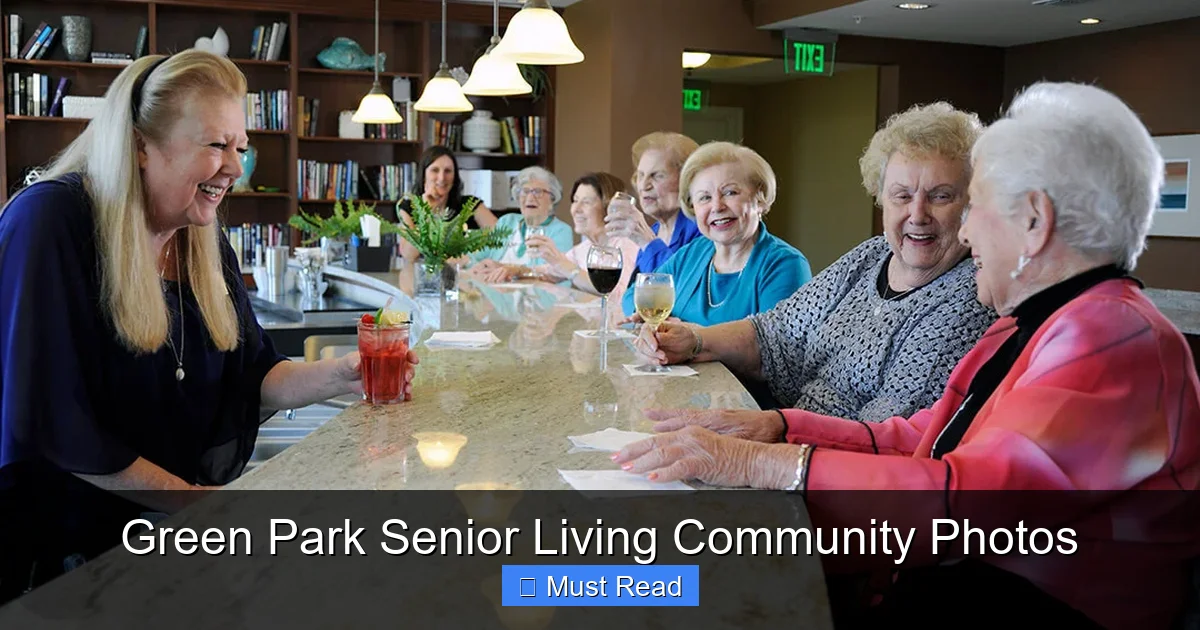
Visual guide about Green Park Senior Living Community Photos
Image source: info.allegroliving.com
The Entrance & Lobby: First Impressions Count
The lobby photo is the community’s handshake. Look for a welcoming, manageable space. Is there a front desk that feels secure but not fortress-like? Is there comfortable seating where someone could sit and wait or chat? Is the decor inviting—maybe with fresh flowers, a nice piece of art, or a water feature? A great lobby photo makes you think, “I could see myself meeting a friend here.” A poor one might show a stark, hospital-like corridor, which sets a different tone entirely.
Resident Apartments: Your Private Sanctuary
This is the most important set of photos. You need to see actual floor plans with corresponding room photos.
- Layout: Does the photo clearly show the room’s shape and size? Can you picture where a bed, sofa, and dining table would go?
- Windows & Light: How many windows are there? What’s the view? A room with a pleasant view of greenery or a courtyard is a major quality-of-life plus.
- Accessibility: Look for features like roll-under sinks, lever door handles, walk-in showers (with a seat?), and wider doorways. These aren’t just details; they’re essential for long-term comfort and safety.
- Storage: Are there ample closets? Kitchen cabinets? You’ll need space for more than just a suitcase.
- Finishes: Are the floors low-pile carpet or easy-clean vinyl? Is the countertop material durable? These details impact daily living and maintenance.
Don’t just look at the “model” apartment. If available, seek out photos of standard units to see the true baseline quality.
The Dining Experience: More Than Just Meals
Food is social. Dining room photos should make you hungry and feel social. Look at the table settings—are they complete and neat? Is the food presented attractively? Most importantly, look at the *people*. Are residents sitting in small groups, chatting? Is staff interacting? A dining hall that feels like a restaurant is a huge win. One that looks like a cafeteria can signal a more institutional feel. Also, note if there are different dining venues (a formal dining room, a bistro, outdoor patios)—this indicates choice and flexibility.
Capturing Resident Life: The Soul of the Community
This is where you separate a building from a home. The best Green Park Senior Living Community photos will have an entire category dedicated to “Life at Green Park” or “Resident Activities.”
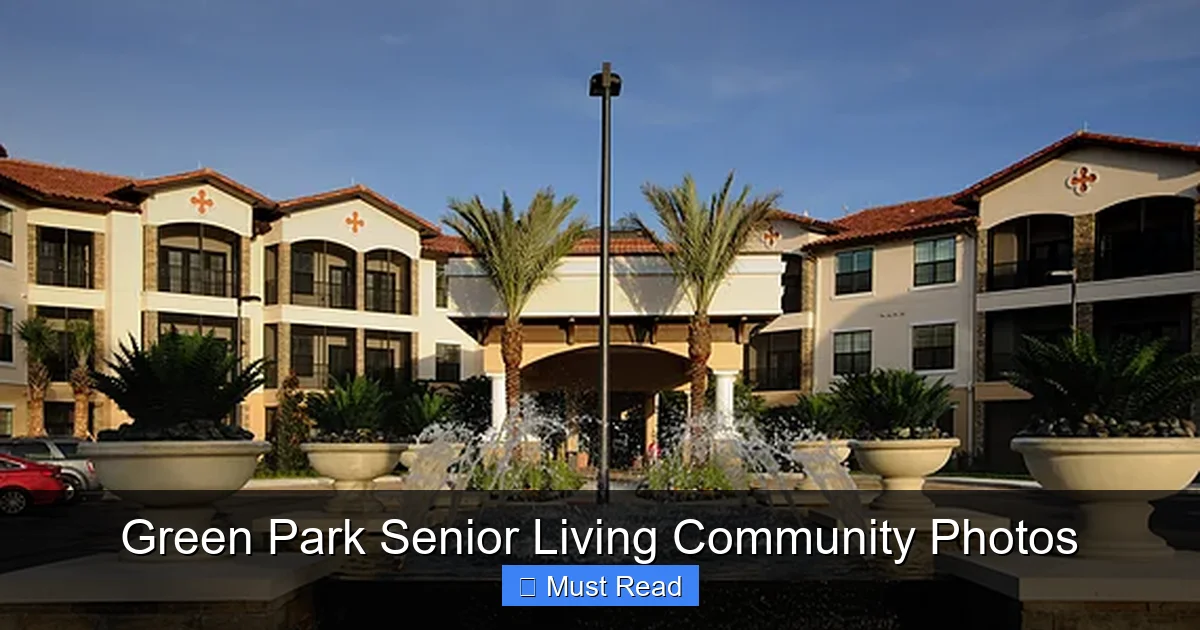
Visual guide about Green Park Senior Living Community Photos
Image source: info.allegroliving.com
Look for Genuine Joy & Engagement
Are people smiling with their eyes (a true smile) or just posing? Are they engaged in the activity—painting, playing cards, gardening—or just sitting passively? Photos of residents leading a book club, teaching a craft, or laughing during a sing-along are gold. They show empowerment and a robust activity program. Be cautious of only seeing residents in large, passive audiences watching entertainment; while that’s fun sometimes, a vibrant community has many opportunities for participation.
The Importance of “In-Between” Moments
The most telling photos are often the unplanned ones: a resident and staff member having a quiet conversation in a hallway, two friends sharing a joke over coffee, someone tending to a plant on a sunny windowsill. These moments reveal the authentic social fabric and staff-to-resident relationships. They show that the community isn’t just about scheduled events, but about fostering natural, daily connections. If the photo gallery is entirely composed of staged group shots, it might indicate that genuine, casual interactions are less common.
Using Photos to Compare and Contrast with Other Communities
Armed with a critical eye, you can now use Green Park Senior Living Community photos as a benchmark. This is where your research becomes powerfully comparative. Don’t look at communities in a vacuum.
Create a simple spreadsheet or mental list. Compare the size and light in resident apartments. Compare the variety and coziness of common areas. Compare the energy in activity photos. Notice the decor style—does one have a more contemporary, fresh feel while another leans traditional? Your preference here is deeply personal.
This comparative approach is invaluable. For example, after reviewing Green Park’s gallery, you might look at the photos for Three Creeks Senior Living Gahanna. You might notice Three Creeks emphasizes more extensive outdoor grounds, while Green Park’s photos highlight indoor activity spaces. This quickly tells you which community’s lifestyle better matches your desires—outdoor exploration versus indoor club and craft-based socializing. Similarly, browsing the images for Lighthouse Senior Living Ellicott City might reveal different architectural styles or community size, helping you define what scale and aesthetic feel right.
What the Photos Won’t Tell You (And What To Do About It)
Be aware of the limits of photography. Photos cannot capture smell (is there a clean, home-like scent or an institutional odor?), sound (is there a constant, distressing alarm or is it peacefully quiet?), or touch (are surfaces cold and hard or warm and inviting?). They also can’t show staff responsiveness or the speed of maintenance requests. This is why the photo review is step one. Its goal is to create a shortlist of 2-3 communities that *feel* right based on visuals. Then, you must schedule in-person or video tours to test those other crucial senses. Use your photo analysis to ask pointed questions on the tour: “I saw your art studio is very bright in the photos; what times of day is it most used?” or “The courtyard looked lovely; how often is it maintained and are there staff-led activities out there?”
How to Access the Best & Most Honest Photo Sources
Where you find the photos matters. Not all sources are equally reliable or comprehensive.
Start with the Official Community Website
This is your primary source. A well-maintained website with a robust, updated gallery is a good sign of an engaged and transparent community. Look for sections labeled “Gallery,” “Virtual Tour,” “Life at Green Park,” or “Photos.” Pay attention to the upload dates on photos if visible; recent photos are more telling than ones from five years ago.
Leverage Third-Party Review Sites (With Caution)
Sites like SeniorAdvisor.com, Caring.com, or Google Business profiles often have resident- and family-submitted photos. These can be incredibly valuable because they are unfiltered. You might see the “real” view from a resident’s window or a snapshot of a birthday party. However, they can also be outdated or show a single, unflattering angle. Use them to cross-reference and ask questions, not as your sole source.
Social Media: The Candid Camera
Check the community’s Facebook or Instagram pages. These platforms often feature more frequent, casual, and current snapshots of daily life—a resident’s birthday celebration, a field trip to a museum, a beautiful sunset from a balcony. The comments on these posts can also offer unfiltered family feedback. This is where you’ll often see the most genuine smiles and interactions, as these posts are meant to engage and celebrate, not just market.
Request Your Own Personalized Photo Set
If your online research is promising but you have specific questions—“What does the memory care wing lounge look like?” or “Can I see photos of the patio in the summer?”—don’t hesitate to call the community and ask. A reputable community will be happy to email you additional images or even schedule a personalized video call where a staff member can walk around with a phone/tablet and show you specific areas in real-time. This proactive step shows you are a serious, informed prospect.
Frequently Asked Questions
Are the photos on a senior living community’s website always accurate and current?
Not always. While most communities strive for accuracy, photos can be professionally staged or taken during a renovation. Always look for signs of resident life and personalization. Cross-check with recent social media posts or ask during a tour, “Is this what the lounge looks like today?”
What is the most important thing to look for in apartment photos?
Beyond size and layout, focus on natural light and accessibility features. Count the windows and imagine the light at different times of day. Look for evidence of universal design—like roll-in showers, lever handles, and ample space for mobility aids. These factors directly impact daily comfort and long-term viability.
Can I fully trust the “resident activity” photos I see?
Use them as a positive indicator, not a guarantee. They show the community *can* and *does* organize activities. The key is to notice if the participants look genuinely engaged or just posed. Ask the community for a monthly activity calendar during your tour to understand the frequency and variety beyond what’s captured in photos.
How do photos compare to an in-person visit?
Photos are an essential screening tool to narrow choices, but they are a 2D representation. An in-person visit lets you assess smell, sound, temperature, and the intangible “feel” of a place. You can judge the quality of construction, test fixtures, and have spontaneous interactions with staff and residents. Always plan an in-person visit for your top 1-2 choices.
What is a major red flag I can spot in community photos?
A complete absence of residents in common areas and activity photos. If every single image shows only empty, pristine furniture and decor, it suggests residents may be isolated, the community is new with no move-ins yet, or engagement is very low. You want to see people living and interacting.
How can I use photos to ask better questions on a tour?
Bring screenshots or notes. Point to a specific photo and ask: “I saw this beautiful courtyard in your gallery—how do residents use it, and who maintains it?” or “This apartment has a great balcony; is it included with this floor plan, and is it private?” This shows you’ve done your homework and helps you get specific, truthful answers.
