
National Association of Senior Move Managers


Hands-Free Neck Magnifier

Robot Vacuum Cleaner

Heated Blanket
The National Association of Senior Move Managers (NASMM) is a leading nonprofit organization dedicated to supporting professionals who help older adults and their families navigate the emotional and logistical challenges of moving. With a focus on ethics, education, and empathy, NASMM sets the gold standard for senior move management across North America.
Moving is rarely easy—but for older adults, it can feel overwhelming, even heartbreaking. Imagine leaving a home filled with decades of memories, photos, and belongings that tell the story of a life well-lived. Now imagine doing that while managing health concerns, family dynamics, or financial constraints. This is where the National Association of Senior Move Managers (NASMM) steps in—not just as an organization, but as a lifeline.
Founded in 2007, NASMM was born from a simple yet powerful idea: seniors deserve dignity, respect, and expert support during one of life’s most challenging transitions. Unlike traditional moving companies that focus solely on logistics, NASMM-certified professionals understand that senior moves are as much about emotion as they are about boxes and trucks. They’re trained to listen, to guide, and to help families make thoughtful decisions—not rushed ones. Whether it’s moving to a smaller home, an assisted living community, or in with family, NASMM members walk alongside seniors every step of the way.
What sets NASMM apart isn’t just its mission—it’s its commitment to excellence. Every member must meet strict criteria, including background checks, liability insurance, and ongoing education. This ensures that when a family hires a NASMM-affiliated move manager, they’re getting someone who’s not only skilled but also deeply committed to ethical, compassionate care. In a world where scams targeting seniors are all too common, NASMM provides peace of mind through transparency, accountability, and trust.
Key Takeaways
- Professional Standards: NASMM establishes rigorous ethical and operational guidelines to ensure high-quality, trustworthy senior move management services.
- <>Comprehensive Support: Members assist with every aspect of senior relocation, from downsizing and packing to estate sales and home setup.
- Certification & Training: NASMM offers the Certified Senior Move Manager (CSMM) credential, requiring ongoing education and adherence to best practices.
- Emotional Compassion: Senior moves are deeply personal; NASMM-trained professionals prioritize empathy and family communication throughout the process.
- Resource Network: Families gain access to a nationwide directory of vetted, experienced move managers through NASMM’s referral system.
- Advocacy & Awareness: NASMM advocates for seniors’ rights and raises public awareness about the complexities of late-life transitions.
- Community Focus: Many NASMM members volunteer with local senior centers, offering free workshops on downsizing and aging in place.
📑 Table of Contents
- What Is the National Association of Senior Move Managers?
- The Role of a Senior Move Manager
- Why Choose a NASMM-Certified Professional?
- Real-Life Impact: Stories from the Field
- How NASMM Supports Families and Communities
- How to Find a NASMM-Certified Move Manager
- The Future of Senior Move Management
- Conclusion
What Is the National Association of Senior Move Managers?
The National Association of Senior Move Managers (NASMM) is a nonprofit professional association headquartered in the United States, with members across North America. Its primary purpose is to advance the profession of senior move management by promoting high standards, providing education, and supporting individuals who specialize in helping older adults transition to new living situations.
At its core, NASMM exists to protect and empower both seniors and the professionals who serve them. The organization recognizes that moving later in life isn’t just about physical relocation—it’s about emotional adjustment, decision-making under stress, and often, letting go of cherished possessions. NASMM-trained move managers are equipped to handle all these layers with sensitivity and expertise.
One of the key ways NASMM distinguishes itself is through its certification program. The Certified Senior Move Manager (CSMM) designation is not handed out lightly. To earn it, professionals must complete extensive training, pass a comprehensive exam, and commit to continuing education. They must also adhere to NASMM’s Code of Ethics, which emphasizes honesty, confidentiality, and client-centered service.
But NASMM isn’t just for professionals. It’s also a vital resource for families. Through its website, NASMM offers free guides, checklists, and a searchable directory of certified move managers. This makes it easier for adult children, caregivers, or seniors themselves to find qualified help when they need it most.
The Role of a Senior Move Manager
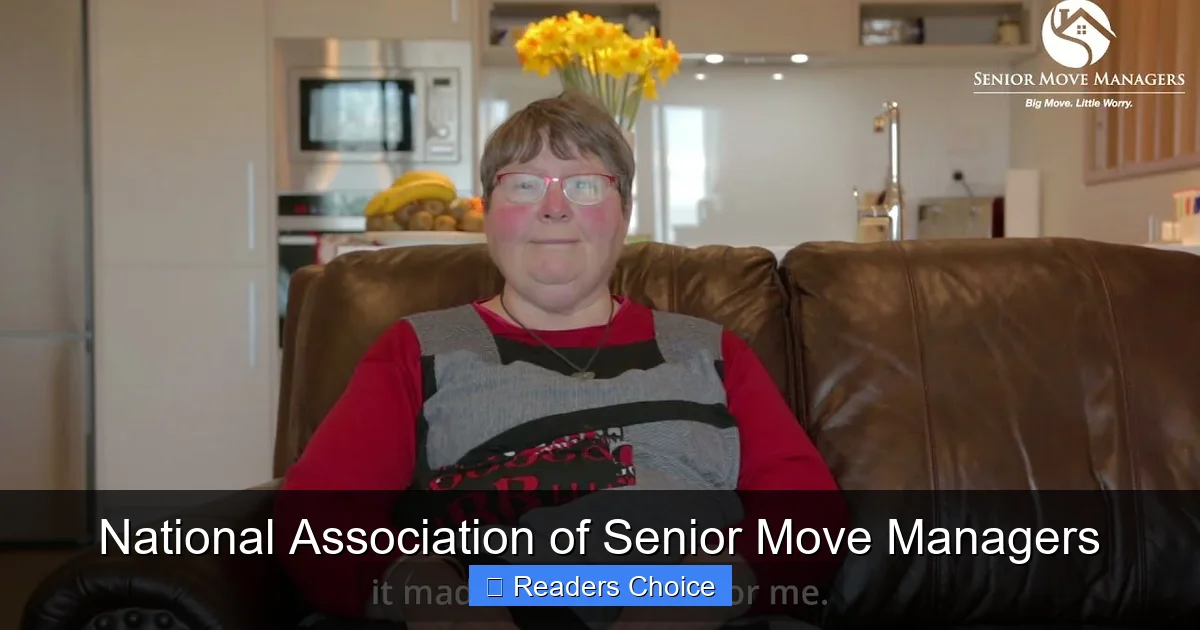
Visual guide about National Association of Senior Move Managers
Image source: i.ytimg.com
So, what exactly does a senior move manager do? It’s a role that blends project management, interior design, estate planning, and emotional counseling—all tailored to the unique needs of older adults.
Downsizing and Decluttering
One of the biggest challenges seniors face is deciding what to keep, what to donate, and what to discard. A home filled with 40 years of belongings can feel impossible to sort through. A NASMM-certified move manager helps by creating a personalized plan. They might start by categorizing items—furniture, clothing, books, sentimental objects—and then work with the senior to make decisions based on practicality, sentiment, and space in the new home.
For example, imagine Mrs. Thompson, an 82-year-old widow who’s lived in her three-bedroom house for 45 years. Her children live out of state, and she’s moving into a one-bedroom apartment. Her move manager helps her sort through her china cabinet, identifying which pieces she truly loves and which can be passed down to grandchildren or donated to a local charity. They also help her digitize old photo albums so she can keep the memories without the bulk.
Packing and Logistics
Once decisions are made, the move manager coordinates the packing process. This isn’t just about boxing things up—it’s about labeling clearly, protecting fragile items, and ensuring everything arrives safely. Many NASMM members use color-coded systems so that boxes go directly to the right room in the new home.
They also handle the logistics: scheduling movers, arranging for specialty transport (like pianos or artwork), and even coordinating with real estate agents if the home is being sold. Some go a step further by helping stage the home for sale, which can increase its market value.
Estate Sales and Donations
Not everything can come with a senior to their new home. That’s where estate sales, auctions, or donations come in. A skilled move manager knows how to maximize value—whether that’s through a well-organized estate sale that attracts collectors or by connecting with local charities that accept furniture, clothing, and household goods.
They also help families understand tax deductions for donations and ensure that items are disposed of responsibly. For instance, a move manager might partner with a nonprofit that refurbishes electronics for low-income seniors, turning old laptops into community resources.
Home Setup and Transition Support
The job doesn’t end when the moving truck pulls away. Many NASMM members stay involved to help set up the new home—unpacking essentials, arranging furniture, and even helping the senior get familiar with their new community. They might introduce them to neighbors, recommend local services, or connect them with senior centers and social groups.
This ongoing support is crucial. Studies show that seniors who receive emotional and logistical support during a move adjust better and experience less anxiety and depression. It’s not just about a new address—it’s about building a new sense of belonging.
Why Choose a NASMM-Certified Professional?
Visual guide about National Association of Senior Move Managers
Image source: journeyseniormovemanagers.com
With so many moving companies and independent contractors out there, why should families specifically look for NASMM certification? The answer lies in trust, expertise, and accountability.
Rigorous Standards and Ethics
NASMM members must meet strict requirements to join and maintain their status. This includes carrying general liability and errors-and-omissions insurance, undergoing a background check, and signing a binding Code of Ethics. The code prohibits conflicts of interest—for example, a move manager cannot profit from selling a senior’s belongings unless fully disclosed and agreed upon.
This level of oversight is rare in the moving industry. Many traditional movers have no training in senior-specific issues, and some have even been accused of pressuring seniors into unnecessary services. NASMM’s standards help prevent such abuses.
Specialized Training
NASMM offers a robust curriculum covering topics like dementia awareness, family dynamics, legal considerations (such as power of attorney), and trauma-informed care. Move managers learn how to communicate effectively with seniors who may be confused, grieving, or resistant to change.
They’re also trained in safety—knowing how to navigate narrow staircases, handle heavy furniture without injury, and work around medical equipment like oxygen tanks or walkers.
Ongoing Education
The senior move management field is always evolving. New technologies, housing trends, and elder care policies emerge regularly. NASMM requires its members to complete continuing education each year, ensuring they stay current and effective.
For example, recent training modules have covered virtual home assessments (useful during the pandemic), sustainable disposal methods, and working with LGBTQ+ seniors who may have unique family structures or support needs.
Client-Centered Approach
Perhaps the most important differentiator is the client-centered philosophy. NASMM professionals don’t dictate what a senior “should” do. Instead, they listen, ask questions, and help the individual make informed choices that align with their values and lifestyle.
This is especially important when family members have conflicting opinions. A move manager acts as a neutral facilitator, helping everyone stay focused on what’s best for the senior—not what’s most convenient for the children or what looks good on paper.
Real-Life Impact: Stories from the Field
Visual guide about National Association of Senior Move Managers
Image source: journeyseniormovemanagers.com
Numbers and policies are important, but the true value of NASMM shines through in real stories.
Helping a Veteran Transition with Dignity
John, a 78-year-old Vietnam veteran, was moving from his rural home to an assisted living facility near his daughter. He had PTSD and was deeply attached to his military memorabilia. His NASMM-certified move manager spent hours listening to his stories, helping him organize his medals and photos into a memory box. They also coordinated with the VA to ensure he received any available benefits for his move. The result? John felt respected, heard, and supported—not just relocated.
Supporting a Family Through Grief
After her husband’s death, Maria, 85, needed to downsize quickly. Her children were overwhelmed and didn’t know where to start. A NASMM move manager stepped in, creating a timeline that gave Maria time to grieve while still making progress. They helped her sort through her husband’s belongings with care, suggesting a memorial display in her new apartment. The process was slow, gentle, and healing.
Preventing Financial Exploitation
In one case, a move manager noticed that a senior’s adult child was pressuring her to sell her antique furniture at a steep discount to a “friend.” The move manager intervened, recommending an independent appraisal and connecting the family with a financial advisor. This simple act prevented a potential scam and protected the senior’s assets.
These stories illustrate why NASMM’s work matters. It’s not just about moving—it’s about preserving dignity, preventing harm, and honoring a lifetime of experiences.
How NASMM Supports Families and Communities
While NASMM primarily serves professionals, its impact extends far beyond its membership. The organization is deeply committed to supporting families, caregivers, and communities.
Free Resources and Education
NASMM’s website offers a wealth of free tools, including:
– A senior move planning checklist
– Tips for talking to aging parents about moving
– Guides to understanding Medicare and long-term care options
– Webinars on topics like “How to Downsize Without Losing Your Mind”
These resources are designed to be accessible, jargon-free, and practical. They help families start the conversation early, before a crisis forces a rushed decision.
Community Outreach
Many NASMM members volunteer their time to speak at senior centers, churches, and community organizations. They offer workshops on downsizing, aging in place, and how to choose a reputable move manager. These sessions often include interactive activities, like “sorting simulations” where participants practice deciding what to keep or let go.
Some chapters also partner with local nonprofits to provide free or low-cost move management services to low-income seniors. This ensures that quality support isn’t just available to those who can afford it.
Advocacy and Awareness
NASMM actively advocates for policies that protect seniors, such as stronger regulations against elder financial abuse and better funding for aging services. The organization also works to raise public awareness about the challenges of late-life transitions.
Through media outreach, partnerships with aging advocacy groups, and participation in national conferences, NASMM helps shift the narrative around senior moves—from something to be feared to something that can be managed with grace and support.
How to Find a NASMM-Certified Move Manager
If you or a loved one is considering a move, finding the right professional is crucial. Here’s how to get started:
Use the NASMM Directory
Visit the NASMM website and use the “Find a Move Manager” tool. You can search by location, services offered, and certification level. Each profile includes contact information, areas of expertise, and client reviews.
Ask the Right Questions
When interviewing potential move managers, ask:
– Are you NASMM-certified?
– What is your experience with seniors similar to my situation?
– How do you handle family disagreements?
– What is your fee structure? (Many charge hourly or offer flat-rate packages.)
– Can you provide references?
Trust Your Instincts
The best move manager won’t just be qualified—they’ll also feel like the right fit. Look for someone who listens, shows empathy, and respects your pace. A good move manager will never rush you or make you feel pressured.
Start Early
Ideally, begin the process 3–6 months before the move. This gives you time to sort, sell, donate, and plan without stress. Even if the move is sudden, a NASMM professional can help you manage it with as much care as possible.
The Future of Senior Move Management
As the population ages, the demand for senior move management will only grow. By 2030, one in five Americans will be over 65. Many will face decisions about where and how to live in their later years.
NASMM is preparing for this future by expanding its training programs, investing in technology (like virtual home assessments), and building partnerships with healthcare providers, real estate agents, and financial planners. The goal is to create a seamless support network that addresses all aspects of aging—not just moving.
The organization is also working to diversify its membership, ensuring that move managers reflect the communities they serve. This includes outreach to bilingual professionals and those with experience in multicultural elder care.
Ultimately, NASMM envisions a world where no senior has to face a move alone. Where every transition is handled with compassion, competence, and care.
Conclusion
The National Association of Senior Move Managers is more than a professional association—it’s a movement. A movement toward dignity, respect, and support for older adults during one of life’s most significant changes. Through rigorous standards, compassionate service, and community engagement, NASMM is redefining what it means to move with grace in the golden years.
Whether you’re a senior planning your next chapter, a caregiver seeking help, or a professional looking to make a difference, NASMM offers resources, guidance, and hope. Because moving doesn’t have to mean losing your story. With the right support, it can be the beginning of a new one.
Frequently Asked Questions
What does NASMM stand for?
NASMM stands for the National Association of Senior Move Managers. It’s a nonprofit organization that supports professionals who help older adults and their families with the emotional and logistical challenges of moving.
How do I become a NASMM-certified move manager?
To become certified, you must complete NASMM’s training program, pass an exam, carry insurance, undergo a background check, and commit to ongoing education and ethical standards.
Is NASMM only for seniors moving to nursing homes?
No. NASMM professionals assist with all types of senior moves, including downsizing to smaller homes, moving in with family, or transitioning to independent or assisted living communities.
Are NASMM move managers expensive?
Costs vary by location and services needed, but many offer flexible pricing. Some also provide sliding scale fees or pro bono services for low-income seniors.
Can NASMM help if my parent has dementia?
Yes. NASMM members receive specialized training in dementia care and can adapt their approach to support seniors with cognitive challenges, ensuring safety and comfort.
How is NASMM different from a regular moving company?
Unlike traditional movers, NASMM professionals focus on the emotional, logistical, and personal aspects of senior moves, offering holistic support beyond just packing and transporting belongings.